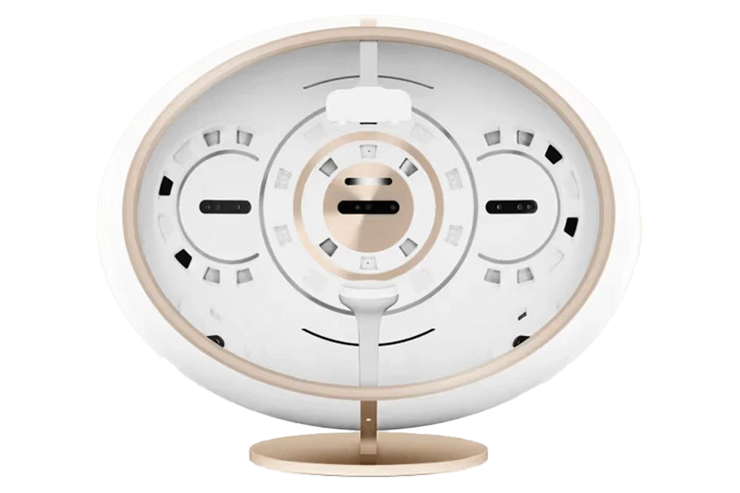
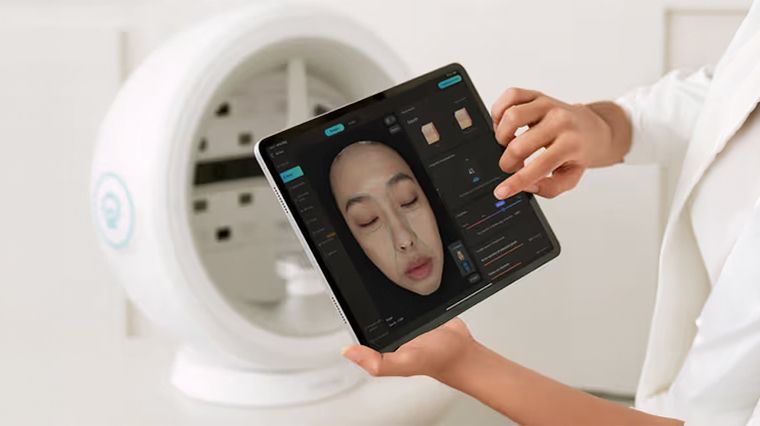
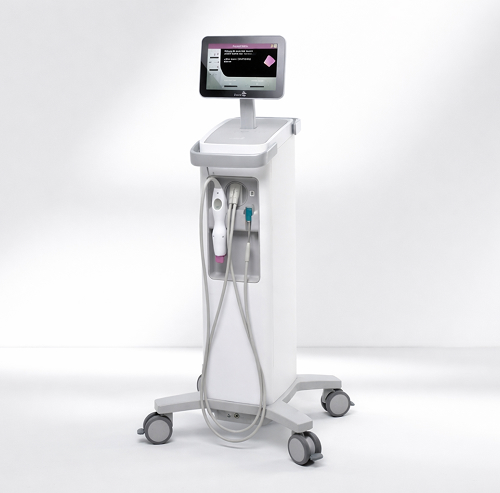
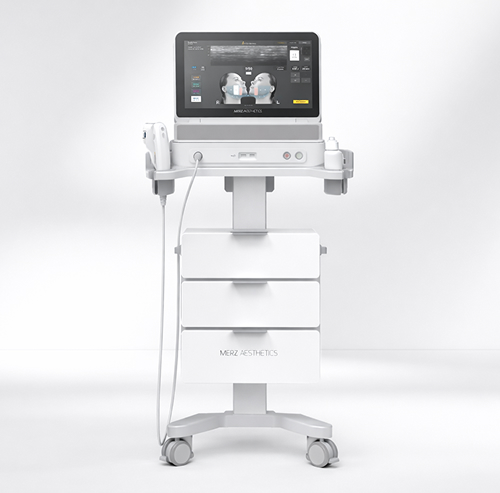
A. EVE V MUSE captures facial images from multiple angles and under different optical conditions, then analyzes data related to your skin condition and facial structure.
First, five 16MP high-resolution cameras and structured light are used to capture facial images in approximately 30 seconds. In addition to standard visible light, the imaging process uses UV, cross-polarized light, parallel-polarized light, and Wood’s Light to provide a more detailed visualization of skin characteristics that may be difficult to distinguish through visual observation alone.
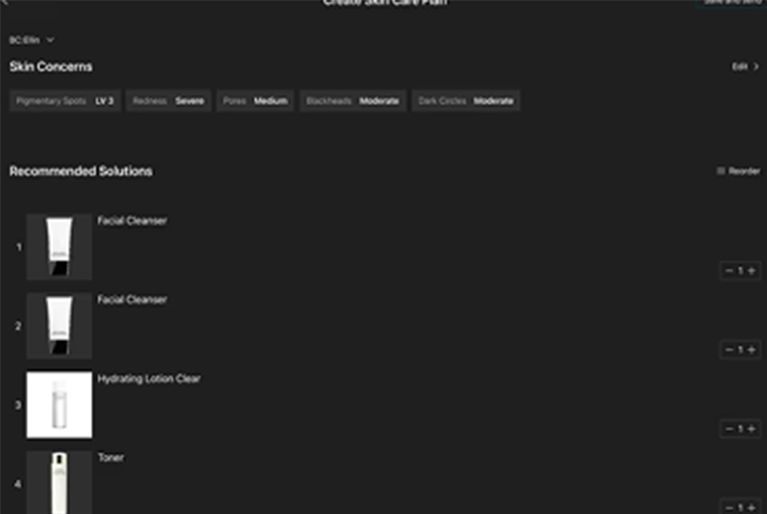
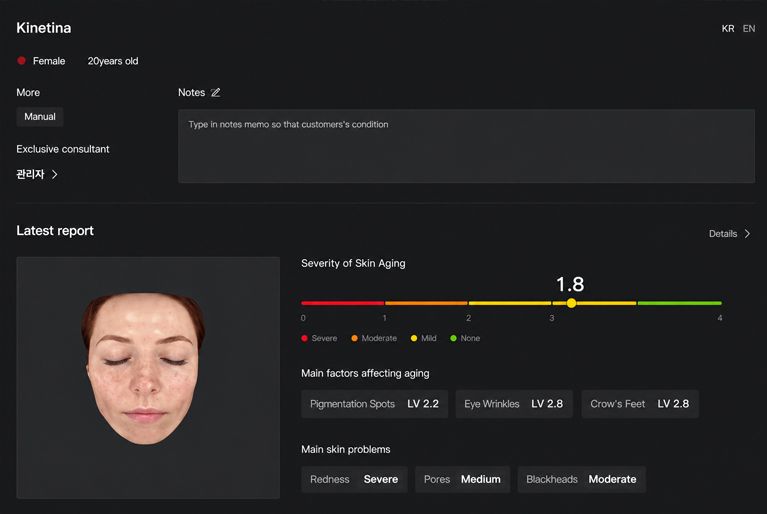
The captured images are processed through an AI-based analysis system to quantitatively assess a range of skin characteristics, including pores, pigmentation, wrinkles, redness, skin texture, and sebum. At the same time, 3D facial data can be used to review structural features such as facial proportions, contours, profile angles, and the E-line. This allows both surface-level skin characteristics and the overall balance and shape of the face to be reviewed together.
At Lijin Clinic, these analysis results are reviewed together with your doctor during consultation. Your current skin condition, facial characteristics, and individual concerns are considered together when discussing an appropriate treatment direction. If images are captured again under the same conditions, they can also be compared with previous data to review changes in your skin condition and facial features over time.